
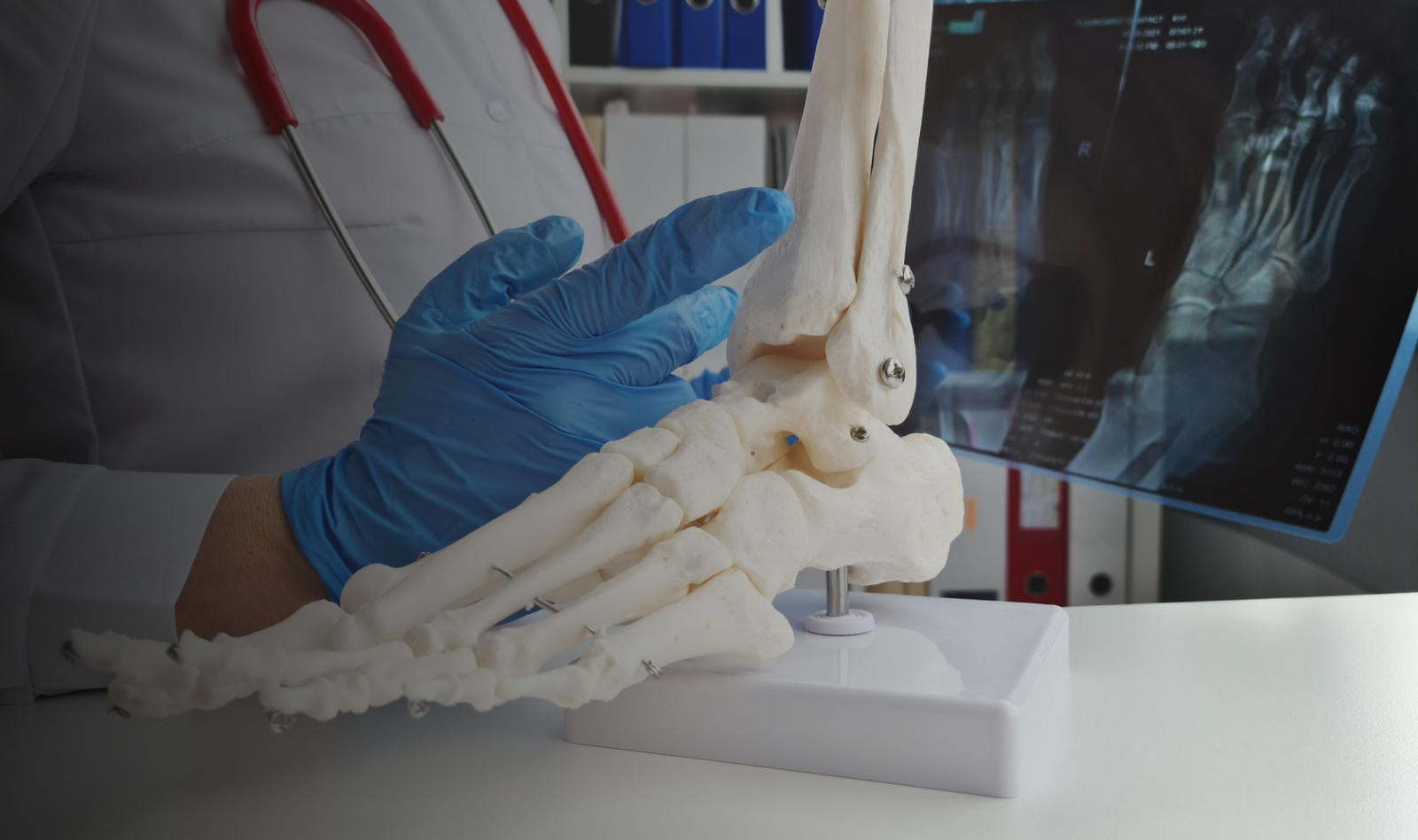
 Forefoot Nerve Pain & Neuroma Specialists
Chicago Forefoot
Nerve Institute
A surgeon-led approach to neuroma pain, nerve
compression, and persistent forefoot nerve symptoms.
Burning, tingling, numbness, shooting pain, or a “pebble-in-the-shoe” sensation can be frustrating — especially when injections, pads, or shoe changes only provide temporary relief. Dr. Michael Tagge evaluates nerve pain through a Root → Fix → Heal framework designed to identify why the nerve remains irritated, preserve it when possible, and support a more durable recovery.


Expert Positioning
Nerve pain is rarely just a nerve problem.
Forefoot nerve pain is often treated as simple inflammation.
But persistent symptoms may involve compression, mechanics, scar tissue, metatarsal overload, shoe narrowing, chronic irritation, inflammation, tissue health, or failure of prior treatment to address the driver.
The goal is not to repeat the same treatment until it stops working. The goal is to understand why the nerve is suffering.
“The goal is not to sacrifice the nerve. The goal is to understand why it is suffering.”
– Dr. Michael Tagge
Common Presentations
Symptoms we evaluate
- Burning pain in the ball of the foot
- Tingling into the toes
- Numbness
- Shooting or electric pain
- Pebble-in-the-shoe sensation
- Pain in tight shoes
- Pain after prior injections
- Recurrent neuroma symptoms
- Pain after previous foot surgery
- Chronic nerve irritation
The Framework
A deeper framework for nerve pain
Step 01
Root
Why is the nerve irritated?
The first step is identifying the source of nerve irritation. This may include:
- Mechanical compression
- Metatarsal overload
- Intermetatarsal narrowing
- Shoe pressure
- Instability
- Inflammation
- Scar tissue
- Prior treatment failure
- Tissue environment around the nerve
A diagnosis of neuroma is not the end of the evaluation. It is the beginning.
Step 02
Fix
What treatment actually addresses the driver?
Treatment should be selected based on why symptoms persist. The fix may include:
- Footwear strategy
- Orthotic support
- Mechanical offloading
- Laser or recovery therapies
- PRP or biologic support when appropriate
- Minimally invasive nerve decompression
- Advanced nerve salvage planning
- Radiofrequency or neurectomy only when clinically appropriate
The goal is to avoid unnecessary escalation while still treating the problem seriously.
Step 03
Heal
How do we support the nerve environment?
Nerve recovery is not always immediate or linear. The healing environment may require:
- Reduced mechanical irritation
- Improved pressure distribution
- Inflammation control
- Biologic support when appropriate
- Guided activity progression
- Footwear planning
- Close reassessment
The outcome depends on more than the treatment itself. It depends on how the nerve is supported afterward.

A Component of the PRISM™ System
PRISM™ Nerve
Restoration System
Root → Fix → Heal for persistent nerve pain
PRISM™ Nerve Restoration applies the same core framework to forefoot nerve pain. The goal is to evaluate why the nerve remains irritated, select the least aggressive treatment that can realistically solve the problem, and support the healing environment before escalating to nerve removal.
This approach is designed for patients who need more than temporary relief and want a clearer explanation of what is actually driving their symptoms.
The Distinction
Not just injections. Not automatic nerve removal.
Many patients arrive after trying pads, shoe changes, cortisone injections, or other temporary measures. Some have been told the only option is to remove the nerve.
At the Chicago Forefoot Nerve Institute, the goal is to slow down and answer the deeper question.
“What is the root reason this nerve remains painful?”
The Common Pattern
Pads, shoe changes, and repeated cortisone injections used as default first — and often only — steps, with nerve removal presented as the inevitable next move when relief fades.
The Institute Approach
Slow down, evaluate the mechanical and tissue driver behind the irritation, and treat seriously — only escalating toward removal once nerve-preserving options have been genuinely considered.
Conditions Evaluated
Forefoot nerve
conditions evaluated
- Morton’s neuroma
- Intermetatarsal nerve compression
- Burning pain in the ball of the foot
- Numbness and tingling into the toes
- Failed injection care
- Nerve irritation after prior foot treatment
- Chronic forefoot nerve pain
- Metatarsal overload with nerve symptoms
- Shoe-related nerve compression

Evaluated By
Dr. Michael Tagge
Dr. Tagge focuses on minimally invasive forefoot reconstruction, nerve-preserving treatment pathways, and recovery planning designed around how patients heal.
His approach to nerve pain is rooted in diagnostic depth: identify the driver, select the correct pathway, and support the healing environment.
FAQ’s
Frequently Asked Questions
Clear evaluation. Defined path forward. We map your specific situation and identify the best approach before any decision is made.
Clear evaluation. Defined path forward. We map your specific situation and identify the best approach before any decision is made.
Clear evaluation. Defined path forward. We map your specific situation and identify the best approach before any decision is made.
Clear evaluation. Defined path forward. We map your specific situation and identify the best approach before any decision is made.
Clear evaluation. Defined path forward. We map your specific situation and identify the best approach before any decision is made.
Clear evaluation. Defined path forward. We map your specific situation and identify the best approach before any decision is made.